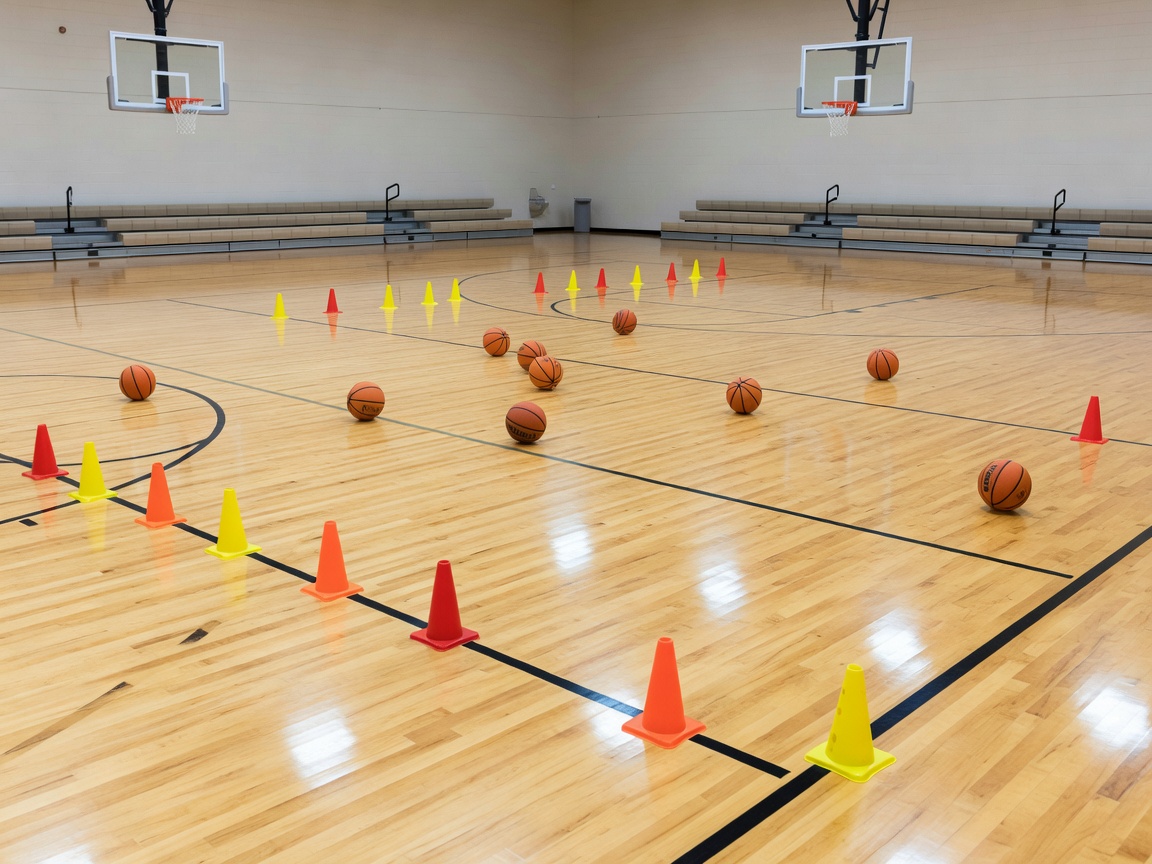
The NBA and European club basketball share the same basic game. Rules, competition structures and player development create differences that become clearer when compared separately.
This guide covers the NBA, NCAA basketball, EuroLeague and domestic European leagues without treating either continent as a single playing style.
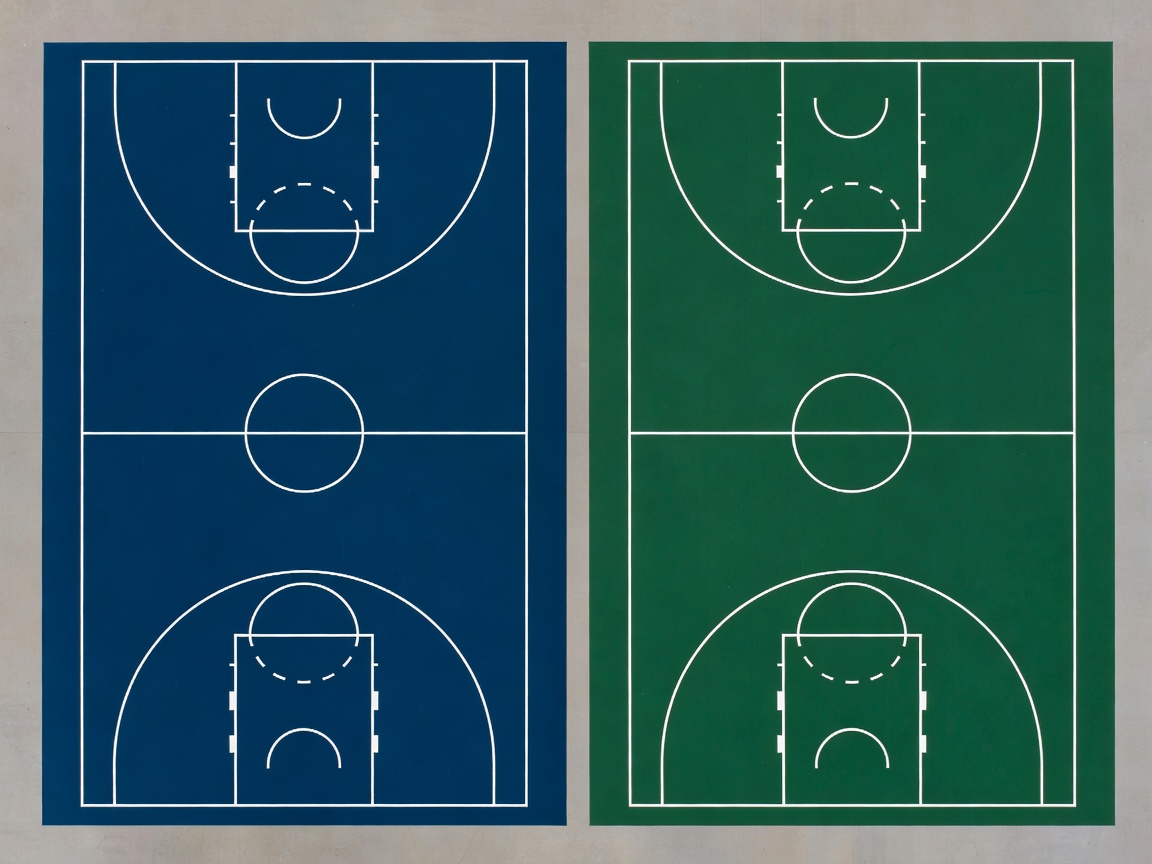
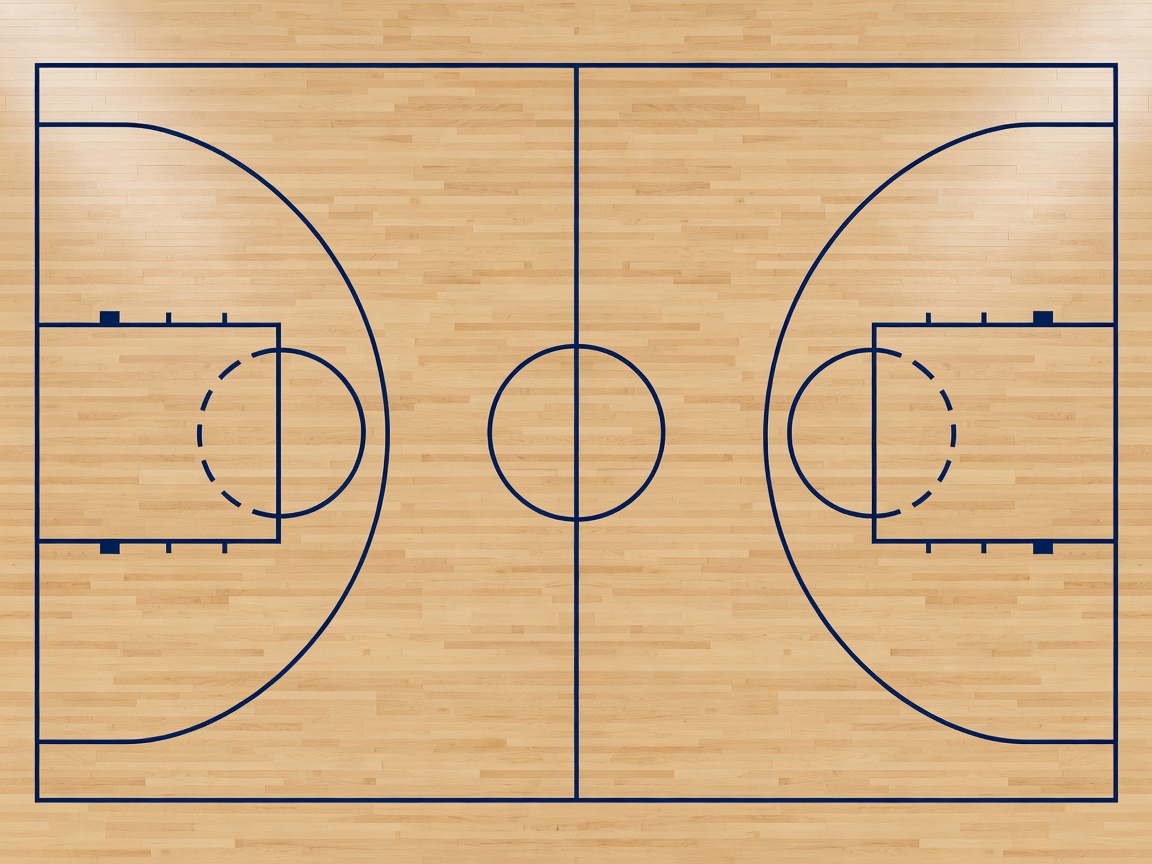
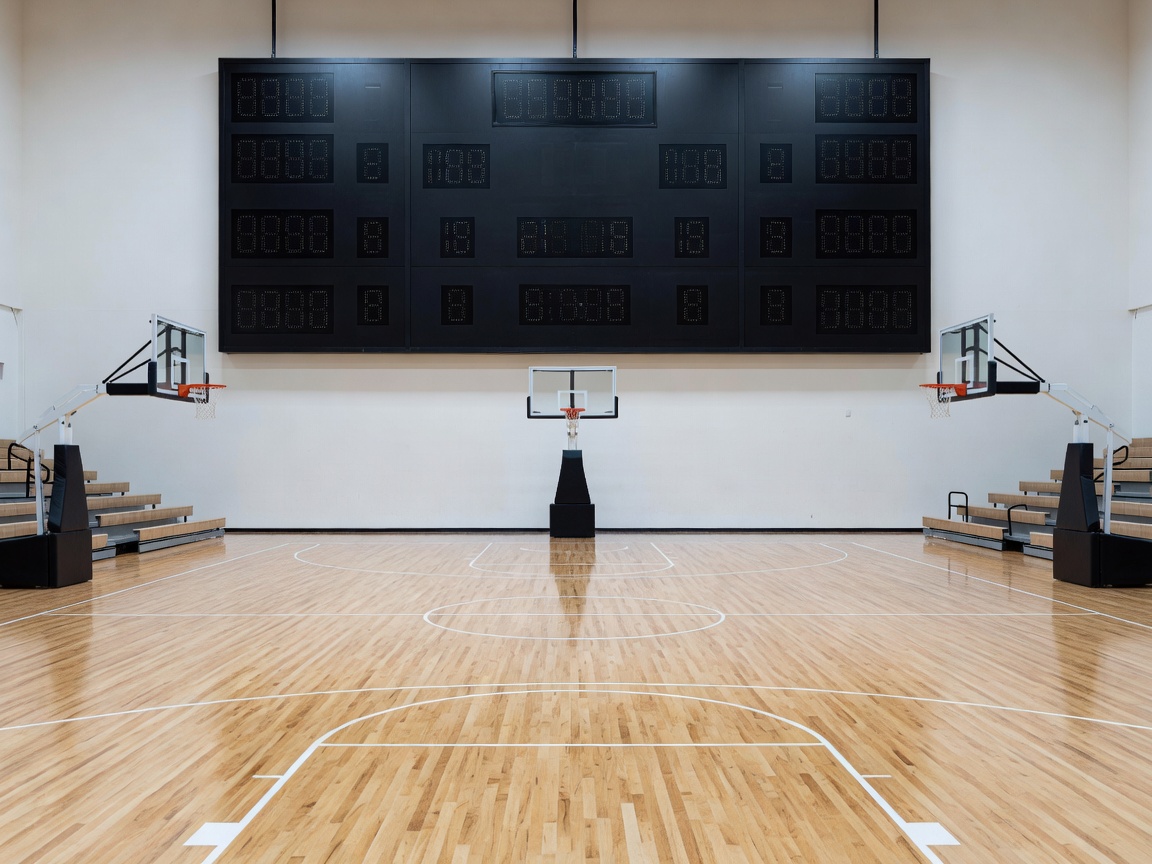
Court markings are one part of a wider comparison.
Five comparisons
Rules, institutions and the game on court
Start with the part that explains what you are watching. Each guide separates written rules from tendencies that vary by team.
01 / Rules
NBA and FIBA rules
Quarter length, court dimensions, defensive three seconds and the treatment of a ball above the rim change the conditions of play. Compare the NBA rulebook with FIBA rules, while keeping NCAA basketball separate.
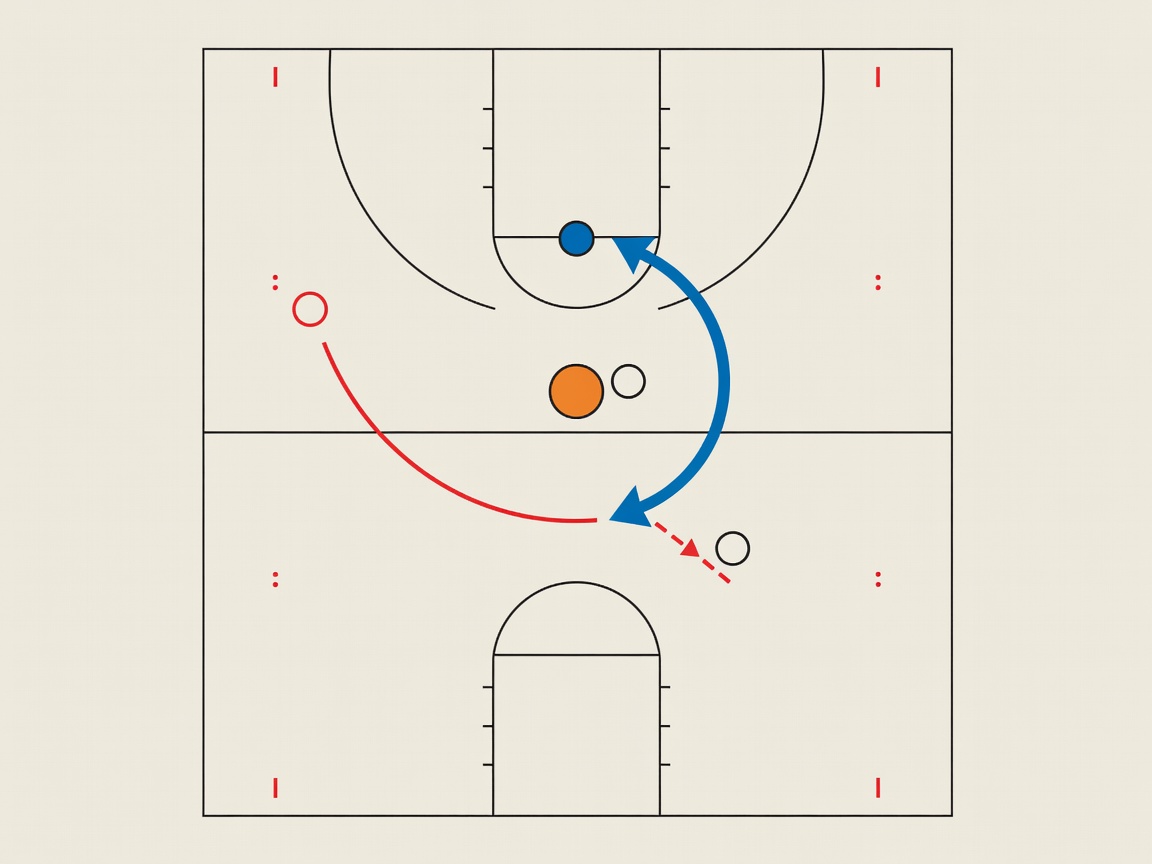
NBA and EuroLeague teams both use ball screens, switching and off-ball movement. Look at how court geometry, defensive rules and player roles influence those choices, rather than assuming a division between individual and team basketball.
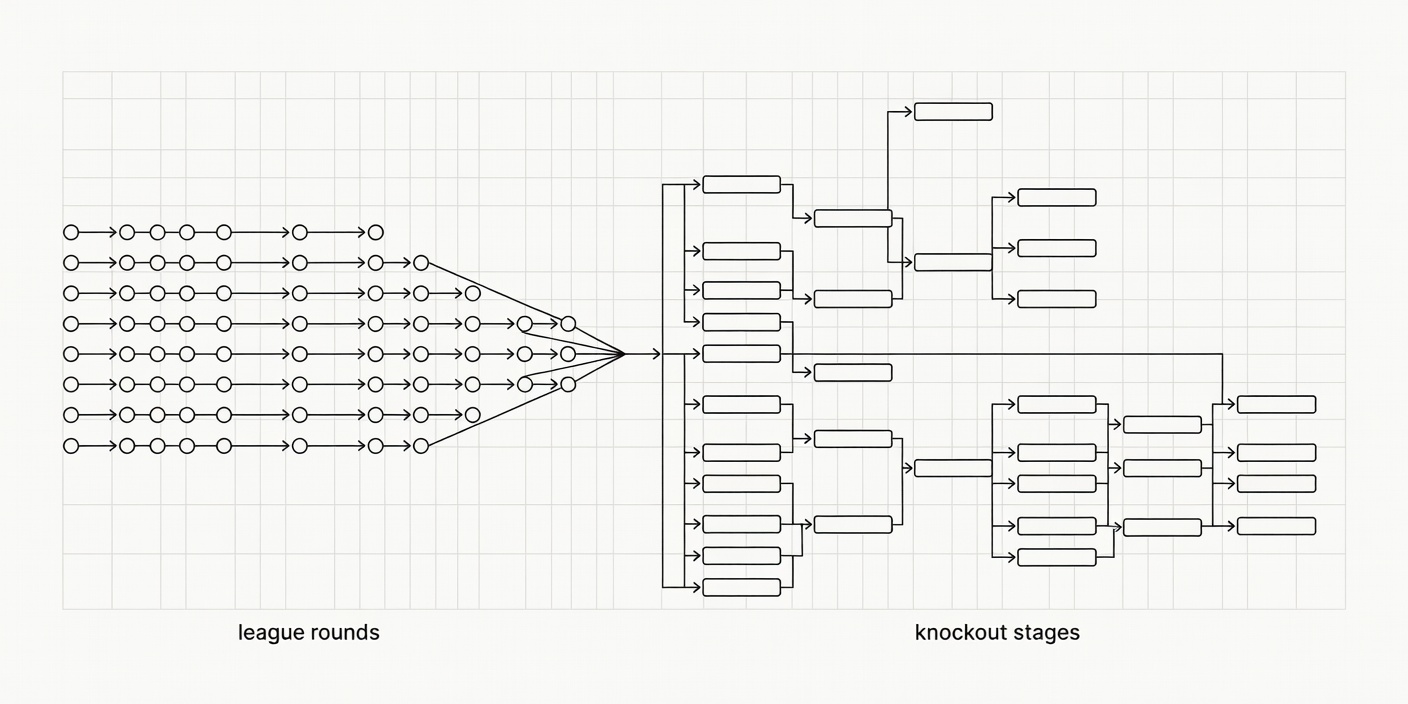
The NBA regular season and play-offs sit within a franchise league. European clubs can combine domestic leagues, national cups and continental competitions such as EuroLeague, EuroCup and the Basketball Champions League.
NCAA programmes, the NBA G League and European club academies organise development differently. Compare education, reserve teams, senior minutes and the NBA Draft without assuming that any route guarantees a professional place.
US start times, European travel across time zones, replay options and different box-score conventions affect how the competitions are followed. Use official schedules and distinguish a league fixture from a cup or continental game.
“US basketball” can mean the NBA, the WNBA, college or school competition. “European basketball” covers domestic systems and cross-border tournaments, not a single league. This site's principal on-court comparison is the men's NBA and European men's club basketball; NCAA rules and development routes are identified separately.
For a particular game, the organiser's regulations take precedence. Rules explain what teams are allowed to do. Rosters, coaching and the importance of the fixture help explain what they actually do.